Blog

  • In addition to Jessica Alba and Lionel Messi

    In addition to Jessica Alba and Lionel Messi, you may have also noticed John Terry’s magnificent artificial lawn in his Instagram posts.

    John Terry joins a long line of top-flight football players who opt for an elegant artificial lawn at their homes and mansions. For those that are interested, John Terry’s home in the video is available to purchase here.

    If you’re looking to enjoy the luxury and look of an artificial lawn, but don’t want to purchase John Terry’s home to do so, let us know! We’re still able to conduct pricing quotes and installations during the COVID19 lockdown period!

    Due to the nature of our business, there isn’t much opportunity to work from home. However, we’ve reviewed our customer interactions, pricing and installation processes and have developed very easy, friendly and logical methods to allow us to continue on with operations through this period. We can visit you, provide pricing and even install your artificial lawn whilst being cautious and maintaining a socially safe distance.

    We can even look to organise customer references and viewings of our previous work with existing customers over video calls if that is of interest.

    Please do get in touch with us if you would like to know more!

  • So who do we know with an artificial lawn?

    Source: Cosmopolitan
    Jessica Alba enjoying her artificial lawn

    Well, there’s Jessica Alba, who says: “My first priority in doing our home renovations was making sure that all of our augmentations were environmentally friendly, in addition to the eco requirement, we wanted to use products that were child and pet friendly.” She goes on to say that “The result is far beyond what I could have imagined.

  • Why Celebrities Love Artificial Lawns!

    Firstly, during these unique challenges that are being faced globally by us all, we at Lawrence Lawns hope that you and your loved ones are safe and well!

    Recently you may have noticed many celebrities taking part in challenges and campaigns from home, as they socially isolate themselves. In these videos, it’s not uncommon to see that they all have artificial lawns in their gardens.

    There are many reasons for this such as:

    • The minimal maintenance they require
    • The lower long term costs (gardeners, watering, etc)
    • The all weather family friendly convenience they provide
    • The improved eco friendly credentials, as you use no water, pesticides or grass feed the keep our artificial lawns looking green and healthy

    But we think the main reason is the luxurious look and feel an artificial lawn offers.

  • You’ll gain a sense of accomplishment. 

    Just picture this: After a long day, you’re heading out to the garden with a basket to fill with your bounty. As you explore, you find juicy heirloom tomatoes, lush leafy greens, and crisp cucumbers and zucchini all ready to be picked and enjoyed. You gather your own produce that you’ve worked hard to grow and care for during a long growing season. Together, you and your family then enjoy a delicious meal made with food from your own garden.

    It’s a wonderful scene, right? That’s why one of the most rewarding parts of embarking upon a backyard garden is harvesting your own homegrown produce. It’s immensely satisfying to see plants you’ve nurtured from seedlings to become thriving fruits and vegetables — and to be able to say, “I grew this.”

    Undoubtedly, you’ll have encountered challenges and setbacks along the way during your gardening journey. For example, maybe pests took a bite out of some of your plants, or poor soil prevented some vegetables from flourishing as you had hoped. Learning how to tackle these problems and overcome them gives you a sense of confidence in your own abilities that truly can’t be beat.

  • You’ll protect the environment. 

    The simple act of growing your own vegetables is one way individuals can make an immediate and positive environmental impact. The environmental benefits of home gardening are numerous: you’ll reduce your carbon footprint and carbon emissions and decrease your reliance on fossil fuels. And having a regular source of food just outside your door will mean you’ll be less impacted by disruptions to industrial food supply chains.

    The reduction of food waste you can implement through a home veggie garden is another way you can become a better steward of the earth. It allows you to use only what you need for meals, rather than purchasing a surplus of ingredients, as you might at a grocery store, that ultimately goes to waste.

    If you want to go another step further in your efforts, you can begin a compost pile with your organic food scraps, keeping your excess out of the landfill entirely and gaining a nutrient-rich source of fertilizer for your garden.

  • You’ll increase your physical activity. 

    Between digging, planting, watering, mulching, weeding and other activities, tending to a garden requires lots of physical activity, which makes it a great way to improve your overall health beyond improving the quality of your food. And, it’s an easily accessible activity — other than a pair of gloves and some simple gardening tools, you don’t need any special equipment to get started. Plus, unlike many expensive gyms, it’s always open!

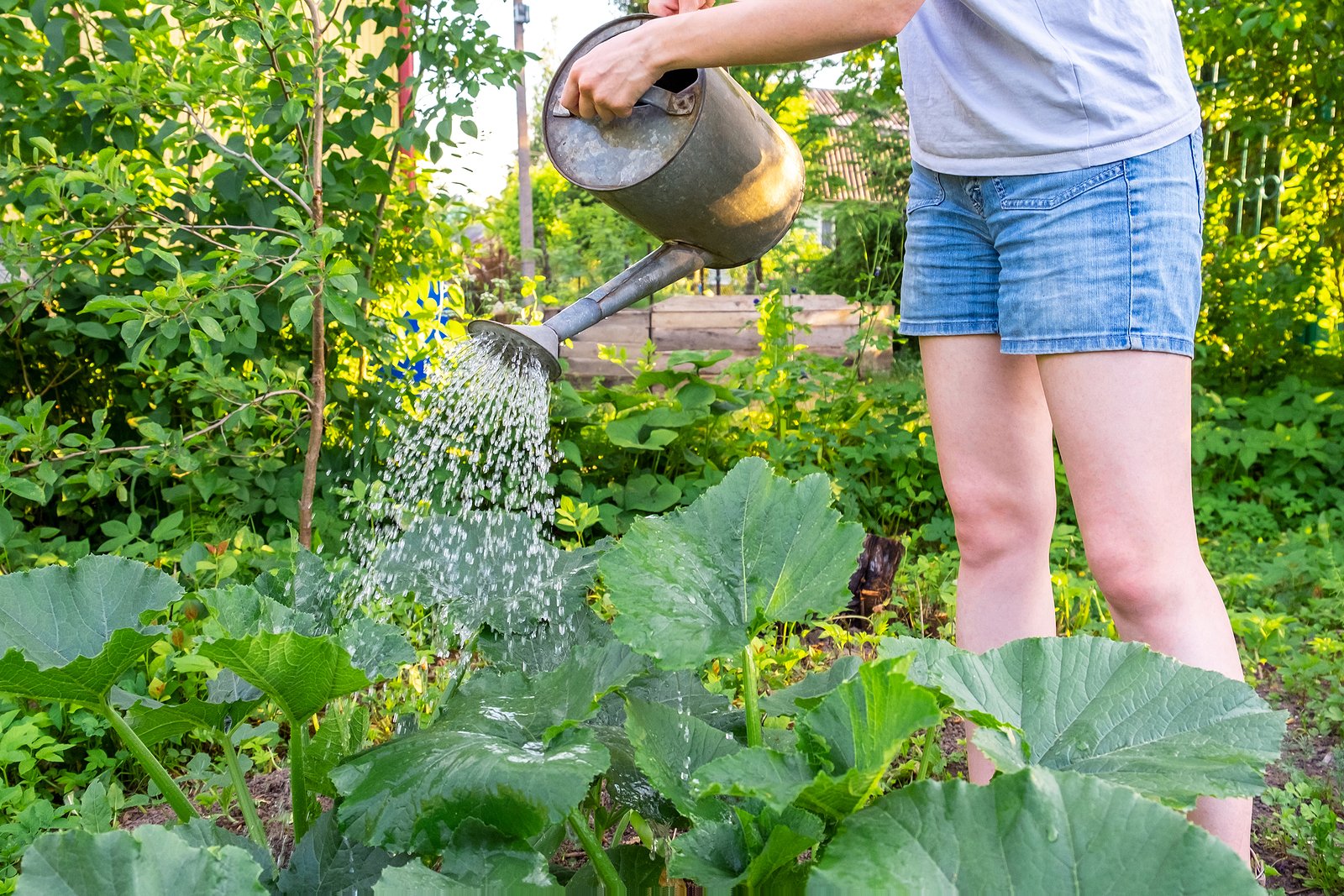
    watering raised bed vegetable garden

    You’ll reduce stress and improve your mental wellbeing. 

    Simply spending time in the fresh air like you will when you’re gardening gives a significant boost to your mental health. According to the experts at the world-renowned Mayo Clinic Health System, gardening has been proven to be an excellent stress-reliever that promotes calmness, improved mood and relaxation.

    In addition, the process of cultivating a home garden offers the opportunity to build routines and structure into your lifestyle, which can give you something to look forward to each day and improve your wellbeing.

    And there’s another benefit: Spending time outdoors daily can help you connect with the natural world, offering time for solitude, reflection and mindfulness (and as so many of us are trying to do, reduce time spent using digital devices).

  • The Benefits of Growing Your Own Food: Boost Your Health and Wellness

    Do you want to improve your physical health and overall wellbeing?

    The answer you’ve been searching for just may be waiting for you in your backyard.

    Planting a home veggie garden is an excellent prescription that can help you build a more healthy lifestyle.

    These are some of the reasons why you should start digging in the dirt and begin reaping the health rewards.

    You’ll have access to high-quality, all natural food. 

    One of the most frequent reasons people choose to start a vegetable garden is to get access to a ready supply of healthy, nutrient-rich fruits and vegetables right in their own backyard. When you control your own growing methods, you can follow organic gardening practices and eliminate harmful chemicals, unsafe fertilizers and pesticides from your produce — and therefore, your diet.

    Fresh produce is harvested at its peak ripeness, which maximizes its health benefits and nutritional value (and tastes better than the selection you’ll find at the grocery store). Homegrown food also can have a positive impact on your immune system.

    You may also find that having a variety of your own fruits and vegetables may encourage you to try new types of food that you don’t typically purchase, or to experiment with new cooking methods and recipes.

  • Implement Water-Saving Products

    There are several products and techniques to maximize water efficiency in your garden.

    Water-Saving Techniques:

    • Rainwater Harvesting: Collect rainwater in barrels from your gutters to use during dry spells, reducing dependency on municipal water supplies.
    • Gray Water Use: Reuse water from baths and dishes (free from bleach or disinfectants) to water your plants.
    • Mulching: Mulch helps retain soil moisture, reducing the need for frequent watering. Opt for coarse mulch for the best results.

    By adopting these strategies, you can create a beautiful, sustainable landscape that withstands drought conditions and reduces your water usage significantly.

  • Utilize Non-Organic Landscaping Materials

    For a truly drought-resistant garden, incorporate non-organic materials that require no water.

    Options Include:

    • Gravel: Ideal for walkways and high-traffic areas. Ensure the ground is level and free of weeds before installation.
    • Rubber Tire Mulch: An eco-friendly option made from recycled tires. It’s durable and visually appealing.
    • Bark: Soft and safe for play areas, available in various colors to match your garden’s aesthetics.
    • Paving: Create patterns with different types of tiles for an eye-catching design. Stick to a maximum of three different tile styles to avoid a cluttered look.
  • Select Water-Efficient Plants

    Choosing plants that require less water is a straightforward yet effective strategy. These plants not only conserve water but also thrive better during drought conditions.

    Characteristics of Drought-Tolerant Plants:

    • Narrow or small leaves
    • Grey or silver foliage
    • Fuzzy or furry leaves
    • Deep root systems

    These traits help plants retain moisture and survive with minimal watering. Consider incorporating a variety of these resilient plants into your garden for a sustainable and attractive landscape.