Category: White Ceramic Jewelry

  • In addition to Jessica Alba and Lionel Messi

    In addition to Jessica Alba and Lionel Messi, you may have also noticed John Terry’s magnificent artificial lawn in his Instagram posts.

    John Terry joins a long line of top-flight football players who opt for an elegant artificial lawn at their homes and mansions. For those that are interested, John Terry’s home in the video is available to purchase here.

    If you’re looking to enjoy the luxury and look of an artificial lawn, but don’t want to purchase John Terry’s home to do so, let us know! We’re still able to conduct pricing quotes and installations during the COVID19 lockdown period!

    Due to the nature of our business, there isn’t much opportunity to work from home. However, we’ve reviewed our customer interactions, pricing and installation processes and have developed very easy, friendly and logical methods to allow us to continue on with operations through this period. We can visit you, provide pricing and even install your artificial lawn whilst being cautious and maintaining a socially safe distance.

    We can even look to organise customer references and viewings of our previous work with existing customers over video calls if that is of interest.

    Please do get in touch with us if you would like to know more!

  • You’ll gain a sense of accomplishment. 

    Just picture this: After a long day, you’re heading out to the garden with a basket to fill with your bounty. As you explore, you find juicy heirloom tomatoes, lush leafy greens, and crisp cucumbers and zucchini all ready to be picked and enjoyed. You gather your own produce that you’ve worked hard to grow and care for during a long growing season. Together, you and your family then enjoy a delicious meal made with food from your own garden.

    It’s a wonderful scene, right? That’s why one of the most rewarding parts of embarking upon a backyard garden is harvesting your own homegrown produce. It’s immensely satisfying to see plants you’ve nurtured from seedlings to become thriving fruits and vegetables — and to be able to say, “I grew this.”

    Undoubtedly, you’ll have encountered challenges and setbacks along the way during your gardening journey. For example, maybe pests took a bite out of some of your plants, or poor soil prevented some vegetables from flourishing as you had hoped. Learning how to tackle these problems and overcome them gives you a sense of confidence in your own abilities that truly can’t be beat.

  • Utilize Non-Organic Landscaping Materials

    For a truly drought-resistant garden, incorporate non-organic materials that require no water.

    Options Include:

    • Gravel: Ideal for walkways and high-traffic areas. Ensure the ground is level and free of weeds before installation.
    • Rubber Tire Mulch: An eco-friendly option made from recycled tires. It’s durable and visually appealing.
    • Bark: Soft and safe for play areas, available in various colors to match your garden’s aesthetics.
    • Paving: Create patterns with different types of tiles for an eye-catching design. Stick to a maximum of three different tile styles to avoid a cluttered look.
  • Select Water-Efficient Plants

    Choosing plants that require less water is a straightforward yet effective strategy. These plants not only conserve water but also thrive better during drought conditions.

    Characteristics of Drought-Tolerant Plants:

    • Narrow or small leaves
    • Grey or silver foliage
    • Fuzzy or furry leaves
    • Deep root systems

    These traits help plants retain moisture and survive with minimal watering. Consider incorporating a variety of these resilient plants into your garden for a sustainable and attractive landscape.

  • Opt for Low Maintenance Plants and Flowers

    To complement the low-maintenance nature of artificial grass, choose plants and flowers that require minimal care. This approach ensures your garden remains vibrant without demanding too much of your time. Look for hardy perennials that thrive with little attention, allowing you to enjoy a beautiful garden effortlessly.

  • Use Hanging Plant Baskets

    Hanging baskets filled with flowers can enhance the visual appeal of your garden without taking up ground space. You can choose from various materials like wood, woven fabrics, or wire for your baskets. Select flowers that complement your garden’s aesthetic and find strategic spots on walls or trees to hang them, creating eye-catching vertical displays.

  • Fit the Grass Around Existing Flower Beds

    If you already have established flower beds, you can fit your artificial turf around them. Synthetic grass can be cut to size, allowing you to design a unique layout that incorporates your mature plants. This approach may require more effort during installation, but it results in a harmonious blend of greenery and floral beauty.

  • Transform Your Play Area with Synthetic Grass

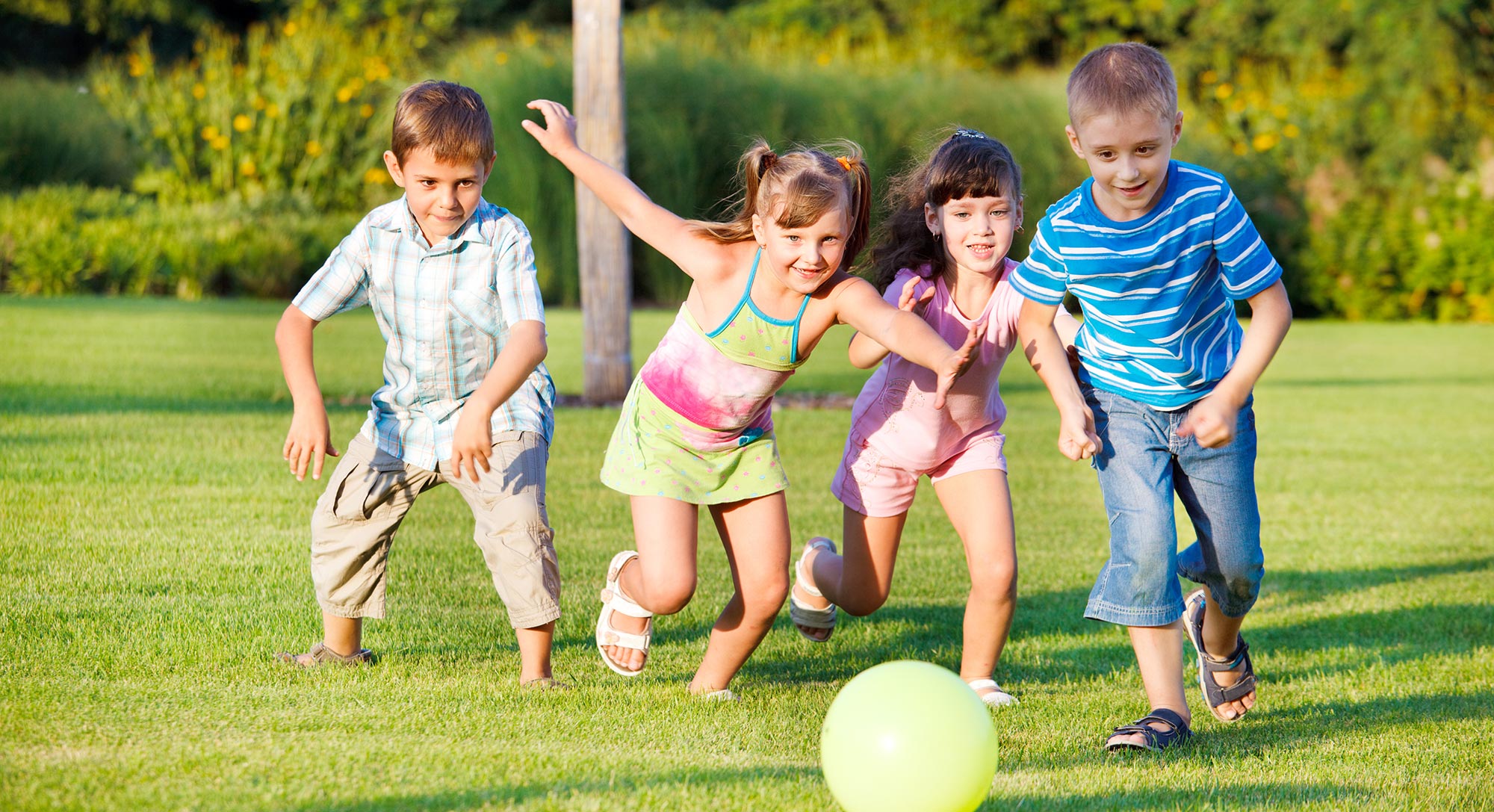
    Synthetic grass is rapidly becoming the go-to choice for playgrounds, offering a range of benefits that natural grass simply cannot match. Whether for a school, park, or backyard, artificial turf provides a safe, clean, and durable surface perfect for children’s play areas.

    Quick and Easy Installation

    Installing synthetic grass is a straightforward process that can be undertaken by anyone with basic DIY skills. Start by measuring the area to determine the amount of turf needed. There are plenty of online resources to guide you through each step. For those who prefer not to DIY, professional installation services are available, ensuring a seamless result.

    Mud-Free and Clean Play

    Synthetic turf is designed with excellent drainage capabilities, meaning no more muddy patches or puddles after rain. This ensures that children can enjoy a clean and dry play area year-round, without the hassle of dealing with mud or wet grass. It also reduces the amount of cleaning required after playtime.

    Safety First

    One of the key advantages of synthetic turf is its safety features. The smooth and even surface reduces the risk of trips and falls, and the cushioned base provides a softer landing compared to traditional playground surfaces like concrete or asphalt. This makes it a safer option for children’s play areas, giving parents peace of mind.

    Allergy-Free Environment

    For children with allergies, natural grass can be a problem due to pollen and other allergens. Synthetic grass is hypoallergenic, providing a safe play environment for all children. This inclusivity ensures that everyone can enjoy the playground without worrying about allergic reactions.

    Durable and Cost-Effective

    Artificial grass is incredibly durable and can withstand heavy use without deteriorating. Unlike natural grass, it doesn’t become patchy or require constant maintenance. This makes it a cost-effective solution in the long run, as it doesn’t need frequent replacement or extensive care. Using recycled materials can also make it an environmentally friendly choice.

    Year-Round Use

    Synthetic grass retains its quality and appearance throughout the year, regardless of weather conditions. It never becomes too dry or too muddy, ensuring that children can play whenever they want. This year-round usability makes synthetic turf an ideal choice for playgrounds, promoting continuous outdoor activity.

    Conclusion

    Choosing synthetic grass for playgrounds offers numerous benefits, from easy installation and minimal maintenance to enhanced safety and durability. By opting for artificial turf, you create a fun, safe, and long-lasting play area that children will love. This decision ensures a clean, allergy-free, and resilient playground that will be enjoyed for years to come.
  • Enhancing Furniture Design with Artificial Indoor Grass

    Artificial indoor grass is not limited to flooring; it can also be an exciting addition to furniture design. This essay explores how incorporating artificial grass into furniture can enhance the visual appeal of your California home, creating unique and creative pieces that stand out.

    Innovative Furniture Accents

    Artificial grass can be used to add a touch of green to various furniture pieces. For instance, wrapping artificial grass around the legs of a couch or dining table can create a striking contrast with the rest of the furniture. This subtle addition can transform ordinary pieces into eye-catching focal points in your living space.

    Headboards and Cushions

    Another creative use of artificial grass is incorporating it into headboards and seat cushions. Covering the headboard of a bed with artificial grass can create a unique and refreshing look, bringing a touch of nature into the bedroom. Similarly, using artificial grass as seat cushions for chairs or benches can add a soft and comfortable texture, enhancing the overall seating experience.

    Visual Appeal and Texture

    The vibrant green color and soft texture of artificial grass can significantly enhance the visual appeal of furniture. It provides a unique contrast to traditional materials like wood and metal, creating an eclectic and modern look. This innovative approach to furniture design allows homeowners to experiment with different styles and textures, adding a personal touch to their interior decor.

    Durability and Maintenance

    Artificial grass is durable and easy to maintain, making it an ideal choice for furniture accents. It is resistant to stains and can be easily cleaned with regular vacuuming or a damp cloth. This ensures that the furniture remains attractive and in good condition over time, even with frequent use.

    Incorporating artificial grass into furniture design offers a creative and visually appealing way to enhance the interior of your California home. Whether used as accents on legs, headboards, or cushions, artificial grass can transform ordinary furniture into unique and stylish pieces. This innovative approach to home decor not only adds a touch of nature but also provides a durable and low-maintenance solution for modern living spaces.

  • Choosing Between Sod and Synthetic Turf

    When planning a landscaping project, the decision between sod and synthetic turf is crucial. Each option has unique advantages and considerations. To help you make the best choice for your yard or sports field, let’s explore the key differences and benefits of both sod and artificial grass.

    baby.jpg

    Installation Costs

    The cost of installing sod versus artificial grass depends on several factors, including the area size, existing landscape, and drainage requirements. Natural grass generally incurs higher initial costs due to its delicate nature during the early growth phase. In contrast, artificial turf offers cost-saving alternatives, such as recycled materials, which can significantly reduce installation expenses without compromising on quality.

    Long-Term Maintenance

    Maintenance is a significant factor when choosing between sod and artificial turf. Natural grass demands regular watering, fertilizing, and mowing to stay lush and green. Synthetic grass, however, requires minimal upkeep. With proper care, artificial turf can last between eight to ten years, sparing you the ongoing effort and cost associated with maintaining natural sod.

    Environmental Impact

    The environmental implications of your choice are also essential to consider. Natural grass helps reduce airborne pollutants and replenishes oxygen but requires substantial water usage and often chemical treatments. On the other hand, artificial turf conserves water and eliminates the need for pesticides and fertilizers. Additionally, synthetic grass is recyclable, reducing its environmental footprint once it reaches the end of its lifespan.

    Health and Safety

    For spaces where people will spend a lot of time, health and safety are critical. Natural grass can be prone to developing holes and divots, posing trip hazards, and may attract insects and pests. Artificial turf offers a safer alternative, free from allergens and capable of being equipped with padding for extra protection. Its consistent length and composition deter pests and reduce the risk of accidents.

    Aesthetic Appeal

    Natural grass can suffer from dormant periods and issues like fungal growth, resulting in an uneven appearance. Synthetic turf, however, remains vibrant and green throughout the year with minimal maintenance. You can select varieties that mimic the natural grass of your region or fulfill specific needs, such as those of a golf course. Damaged synthetic grass patches are easily replaceable, ensuring a consistently attractive landscape.

    Conclusion

    Both sod and artificial turf have distinct advantages. While natural grass offers an authentic, lush look, synthetic turf stands out for its durability, low maintenance, and cost efficiency. By carefully weighing these factors, you can choose the ideal option that meets your landscaping goals and long-term satisfaction.

    Tags

    sod synthetic turf landscaping natural grass artificial grass lawn care environmental impact installation costs long-term maintenance health and safety aesthetic appeal turf