Author: agsturf

  • How to Install Artificial Grass in California

    California, with its diverse climates and varying water availability, often presents challenges for maintaining a lush natural lawn. In such circumstances, artificial grass emerges as an excellent alternative due to its minimal maintenance requirements and ability to sustain a vibrant appearance year-round. This guide will detail the steps to install artificial grass in California, ensuring a beautiful and sustainable landscape.

    d3577e9a5e5cecc6a7df73811e87c11c_16851151078454.jpg

    Step 1: Planning and Preparation

    Before diving into the installation process, meticulous planning and preparation are crucial. Begin by measuring the area where you intend to install the artificial grass. Accurate measurements ensure you purchase the right amount of turf and materials.

    7bdf59f98d639187e3d3513d31f9e382_16851152114986.jpg

    Step 2: Gather the Necessary Materials

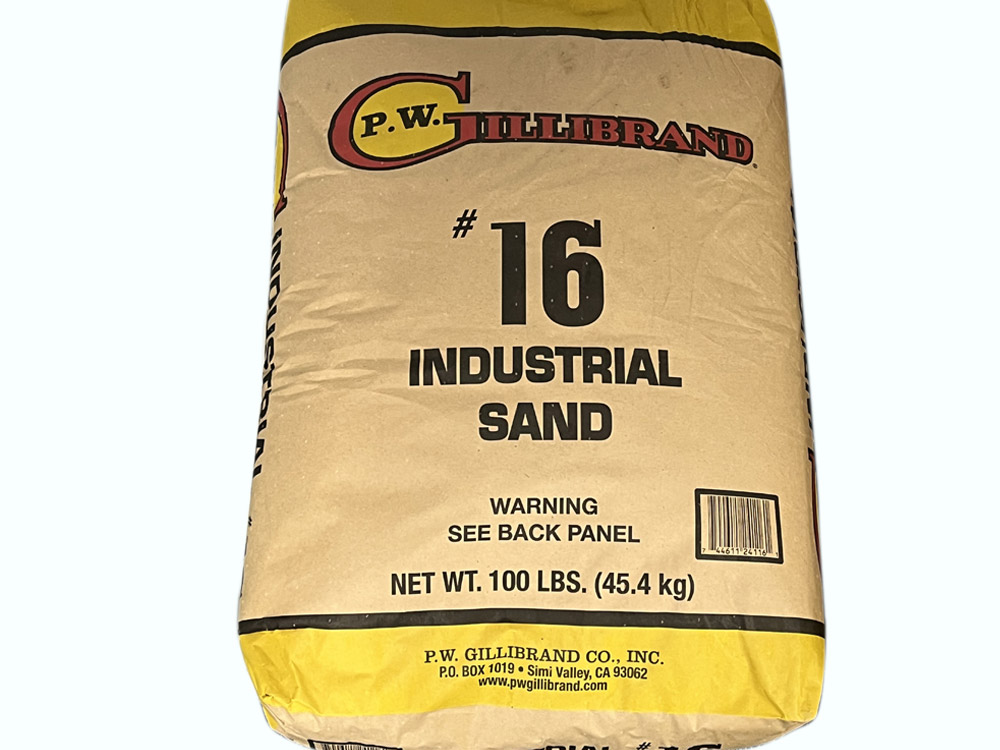
    To install artificial grass, gather essential materials, including artificial grass rolls, infill material (usually silica sand or rubber crumbs), geotextile fabric, nails or staples, and adhesive.

    c66c999b1e86ccf5bf77b4ca1c690327_16851152386925.jpg

    Step 3: Remove Existing Turf and Prepare the Surface

    Start by removing the existing natural grass, weeds, and debris from the area. Level the ground and compact it to create a stable base. Ensure proper drainage by sloping the surface away from any structures.

    d0253343d691ec1e4f92b4df9587b9ca_1685115357557.jpg

    Step 4: Lay the Geotextile Fabric

    Lay a geotextile fabric over the prepared surface. This fabric acts as a weed barrier and helps with drainage while ensuring that the soil does not mix with the base.

    Step 5: Roll Out and Trim the Artificial Grass

    Carefully unroll the artificial grass and position it over the geotextile fabric. Adjust the placement and trim the edges as needed to fit the area accurately.

    Step 6: Secure the Grass

    Secure the grass in place using nails, staples, or adhesive, ensuring a tight and wrinkle-free installation. Make sure to distribute the fasteners evenly for a secure fit.

    Step 7: Spread and Brush Infill

    Spread the infill material evenly across the artificial grass. This step helps maintain the grass’s structure and provides a more natural feel. After spreading the infill, use a brush to work it into the grass fibers.

    service-2.jpg

    Step 8: Brush and Fluff the Grass

    Brush and fluff the artificial grass using a broom with synthetic bristles. This process helps the grass blades stand upright and creates a fuller appearance.

    Step 9: Final Adjustments

    Inspect the installed artificial grass and make any necessary adjustments. Ensure the edges are secure and seamless, providing a polished look.

    Step 10: Regular Maintenance

    Artificial grass requires minimal maintenance, making it an attractive option for California’s climate. Regularly remove debris and leaves to maintain its appearance. Additionally, occasionally brushing the grass fibers will help keep them upright and ensure an even look.

    Installing artificial grass in California is a wise choice for homeowners and businesses alike, given the state’s water scarcity and the need for sustainable landscaping solutions. By following these steps and considering the specific environmental factors of California, you can achieve a lush, green lawn year-round with minimal water usage and maintenance.

    Tags

    Installing artificial grass Brush and Fluff the Grass Secure the Grass Lay the Geotextile Fabric Remove Existing Turf Gather the Necessary Materials Planning and Preparation How to Install Artificial Grass How to Install Artificial turf

  • Artificial Grass for Dogs in California

    A Pet-Friendly Landscaping Solution

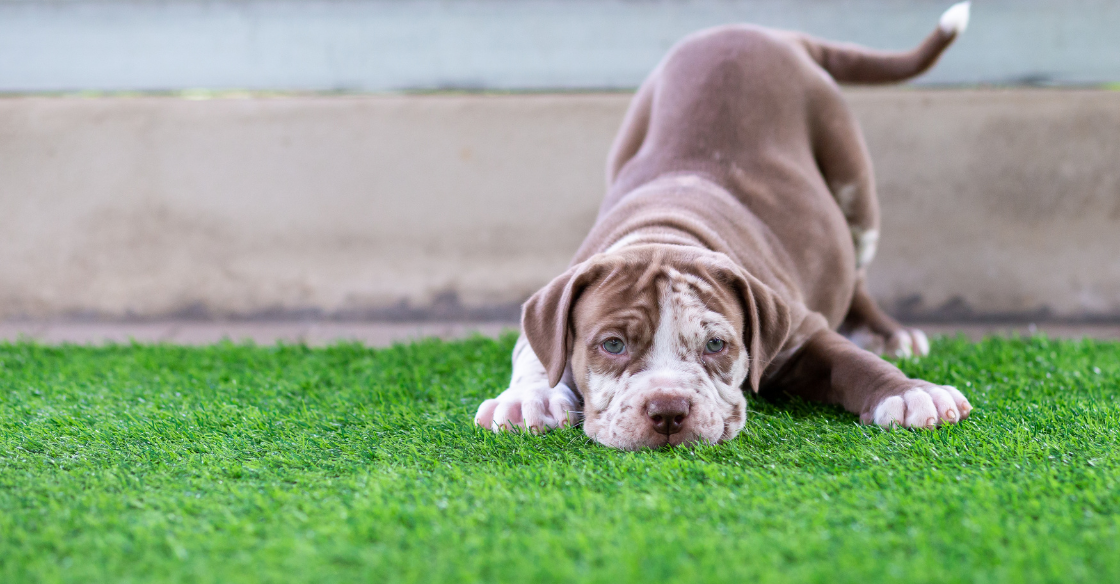
    California, with its diverse landscapes and varying weather patterns, presents unique challenges for pet owners when it comes to maintaining a lush, pet-friendly outdoor space. Artificial grass for dogs has emerged as an ideal solution, offering a low-maintenance, attractive alternative to natural grass. This guide will explore the benefits and considerations of installing artificial grass specifically designed for dogs in California, ensuring a safe and enjoyable environment for both pets and their owners.

    02.jpg

    Benefits of Artificial Grass for Dogs

    Durability: Artificial grass is designed to withstand the wear and tear of pet activities, ensuring a long-lasting and resilient surface for dogs to play and roam.

    Low Maintenance: Unlike natural grass, artificial grass requires minimal upkeep. It eliminates the need for mowing, watering, and fertilizing, reducing maintenance efforts and costs.

    Safe and Non-Toxic: High-quality artificial grass is free from harmful chemicals and pesticides, providing a safe environment for pets to play and rest.

    Easy to Clean: Pet waste can be easily cleaned from artificial grass, and the surface can be rinsed to maintain a fresh and hygienic outdoor space for pets.

    Consistent Appearance: Artificial grass maintains its lush, green appearance year-round, regardless of weather conditions, providing an attractive outdoor space for both pets and homeowners.

    114-Cover-Image-_Why-PetTurf-Is-Best-For-Your-Pets-2-1200x801.jpg

    Considerations for Installation

    Proper Drainage: Ensuring adequate drainage is crucial when installing artificial grass for dogs. The base should be designed to allow for efficient drainage, preventing any water accumulation or odors.

    Quality Infill: Choose a high-quality infill material that controls odors, provides cushioning, and aids in proper drainage. Silica sand or special infill designed for pet areas are good choices.

    Pet-Friendly Edging: Utilize pet-friendly edging to secure the artificial grass and prevent dogs from digging or damaging the edges.

    Pet-Safe Materials: Opt for artificial grass made from pet-safe materials that are free from toxins or chemicals harmful to animals.

    Regular Maintenance: Although artificial grass is low-maintenance, regular cleaning and grooming are essential to remove pet waste and maintain the grass’s appearance and integrity.

    Installation Steps for Artificial Grass for Dogs

    200-Cover-Image_What-To-Consider-When-Buying-Artificial-Turf-For-Your-Pets-2-1-1200x801.jpg

    Measure and Prepare the Area: Measure the installation area accurately and prepare the ground by removing existing grass, weeds, and debris.

    Install a Drainage Layer: Lay a drainage layer to ensure proper water drainage, preventing any stagnant water.

    Lay the Geotextile Fabric: Lay a geotextile fabric to suppress weed growth and create a barrier between the soil and artificial grass.

    Roll Out and Install the Grass: Roll out the artificial grass, trim it to fit the area, and secure it in place using appropriate adhesives or fasteners.

    Spread Infill Material: Spread the infill material evenly over the artificial grass to provide stability, drainage, and odor control.

    Groom the Grass: Groom the grass using a brush or broom to ensure the infill is evenly distributed and the grass fibers stand upright.

    Artificial grass for dogs is a practical and aesthetically pleasing solution for pet owners in California. Its durability, low maintenance, and pet-friendly features make it an excellent choice for creating a safe and enjoyable outdoor space for pets to play and relax. By following the proper installation guidelines and considering the unique needs of pets, you can create a beautiful and functional area that both you and your furry companions will love.

    Tags

    Groom the Grass Spread Infill Material Install a Drainage Layer Regular Maintenance Artificial Grass for Dogs Pet-Friendly Edging Pet-Safe Materials

  • How Much Does Artificial Grass Cost?

    How Much Does Artificial Grass Cost?

    19.jpg
    d3577e9a5e5cecc6a7df73811e87c11c_16851151078454.jpg

    For homeowners seeking to save time, money, and effort on lawn maintenance, opting for realistic-looking artificial grass can be a smart choice. The cost of artificial grass typically ranges from $2,961 to $7,792, with the national average falling around $5,358, making it an appealing option. 

    7bdf59f98d639187e3d3513d31f9e382_16851152114986.jpg

    Artificial grass is gaining popularity among homeowners due to its potential for cost savings, water conservation, minimal maintenance, and an appealing appearance in various lighting conditions. Additionally, it provides a safe space for family and pets, free from exposure to pesticides and chemicals. Modern artificial grass closely resembles natural grass, provided it is installed correctly by experienced professionals.

    image00021.jpeg

    So, how much does artificial grass cost? According to both Angi and HomeAdvisor, the cost typically ranges from $2,961 to $7,792, with the national average being $5,358 for both materials and installation. The total cost largely depends on the amount of artificial turf needed and the specific type chosen. When properly installed, artificial grass can last for over 20 years, proving to be a durable, child- and pet-friendly option that withstands various weather conditions.

    The price per square foot for installing artificial grass ranges from $2 to $8, which is higher compared to the cost of installing sod, usually priced between $0.90 and $2 per square foot. Despite the initial expenses associated with artificial grass, homeowners stand to save on water, fertilizers, chemicals, and other maintenance costs required for traditional lawns. The labor for artificial grass installation generally ranges from $3 to $12 per square foot, depending on the project’s complexity and yard size.

    Factors Affecting Artificial Grass Cost

    Several factors influence the cost of artificial grass installation, including:

    Yard Size and Shape:

    50 square feet: $100 to $400

    100 square feet: $200 to $800

    200 square feet: $400 to $1,600

    500 square feet: $1,000 to $4,000

    1,000 square feet: $2,000 to $8,000

    5,000 square feet: $10,000 to $40,000

    10,000 square feet: $20,000 to $80,000

    01.jpg

    Turf Material:

    Nylon: $5 to $6 per square foot

    Polypropylene: $2 to $6 per square foot

    Polyethylene: $2 to $4 per square foot

    Turf Brand:

    agsturf: $2.30 to $7.30 per square foot

    PreGra: $2.60 to $3.67 per square foot

    Perfect Turf: $4 to $5 per square foot

    K9Grass: $4.50 to $9.50 per square foot

    ForeverLawn: $4.50 to $9.50 per square foot

    ProGreen: $4.50 to $11.50 per square foot

    SYNLawn: $5.50 to $7.50 per square foot

    d0253343d691ec1e4f92b4df9587b9ca_1685115357557.jpg

    Labor:

    Labor for installation: $3 to $9 per square foot

    Installation Location:

    Difficulty of access and clearing requirements impact labor costs.

    Blade Shape:

    Various blade shapes influence the appearance and cost of the artificial grass.

    Base Material:

    Base materials like crushed rock or decomposed granite affect drainage and cost.

    service-2.jpg

    Infill:

    Types of infill (sand or rubber) used for support and appearance.

    Weed Barrier, Irrigation, Preparation, and Cleanup:

    These aspects influence both cost and durability.

    Geographic Location:

    Costs can vary based on the region, with urban areas generally being more expensive than suburban or rural locations.

    Benefits of Artificial Grass Installation

    Opting for artificial grass installation offers numerous benefits, including:

    Pest, Weed, and Disease Resistance:

    Eliminates the need for pesticides and reduces insect infestation compared to natural lawns.

    Drought Resistance:

    Doesn’t require excessive watering, making it ideal for regions prone to drought.

    Sustainability:

    Many artificial grass options are made from recycled materials and are recyclable.

    Reduced Maintenance:

    Significantly lowers maintenance efforts and costs associated with traditional lawn care.

    Improved Drainage:

    Provides efficient drainage, preventing puddles and mud common in natural lawns.

    Cost-Effectiveness:

    Long-term savings on water, equipment, and maintenance costs outweigh the initial installation expenses.

    Child-Friendliness:

    Offers a safe and clean play area for children, free from harmful chemicals present in natural grass.

    Improved Curb Appeal:

    Maintains a green and appealing appearance throughout the year, enhancing the overall aesthetics of the property.

    Artificial Grass Installation: DIY vs. Professional

    While some homeowners might consider a DIY approach to artificial grass installation, it’s generally recommended to hire experienced professionals. Incorrect installation can lead to issues like drainage problems, mold, and an unnatural appearance. Professionals have the expertise to ensure precise measurements, proper drainage, and realistic aesthetics. Additionally, some artificial grass manufacturers only honor warranties if the installation is done by professionals.

    Saving on Artificial Grass Costs

    To save on artificial grass costs, consider the following strategies:

    Get Multiple Quotes:

    Obtain quotes from multiple reputable artificial grass installers to compare prices and services.

    Buy Wholesale:

    Purchase artificial grass from a wholesale supplier to avoid additional markups.

    Prep Work:

    Handle some preparation tasks, such as debris removal, to reduce labor costs.

    Buy Scrap Pieces:

    Consider using remnants or scrap pieces of artificial grass, which are often available at a discounted rate.

    Lower Maintenance Costs:

    Enjoy reduced maintenance costs as artificial grass requires minimal upkeep compared to natural lawns.

    Enhance Durability:

    Opt for artificial grass to increase lawn durability, reducing long-term maintenance and replacement costs.

    Important Questions to Ask Installers

    When considering artificial grass installation, ask installers the following questions to ensure a successful project:

    Experience and References:

    Inquire about the installer’s experience and request references from past projects.

    On-Site Consultations:

    Ask if they provide on-site consultations to assess your specific needs and recommend suitable artificial grass.

    Installation Details:

    Discuss installation specifics, such as turf types, infill options, and drainage solutions.

    Maintenance Guidelines:

    Understand the maintenance requirements and recommendations for maintaining your artificial grass.

    Warranties:

    Inquire about available warranties and guarantees for the artificial grass and the installation work.

    By considering these factors and asking the right questions, you can make an informed decision regarding artificial grass installation, ensuring a beautiful and cost-effective addition to your home.

    Tags

    How Much Does Artificial Grass Cost Artificial Grass Cost Yard Size and Shape Turf Material Turf Brand Installation Location Base Material Get Multiple Quotes